WASILLA, Alaska. President Donald Trump took his midterm campaign to one of the most remote corners of the country on Tuesday, a place where Republicans rarely have to worry about November. Alaska has not sent a Democrat to the Senate in nearly 20 years, and Trump carried it by roughly 14 percentage points in 2024. This year, with three weeks until the 3 November elections, the state’s Senate race is close enough that he made the long trip north to defend it.
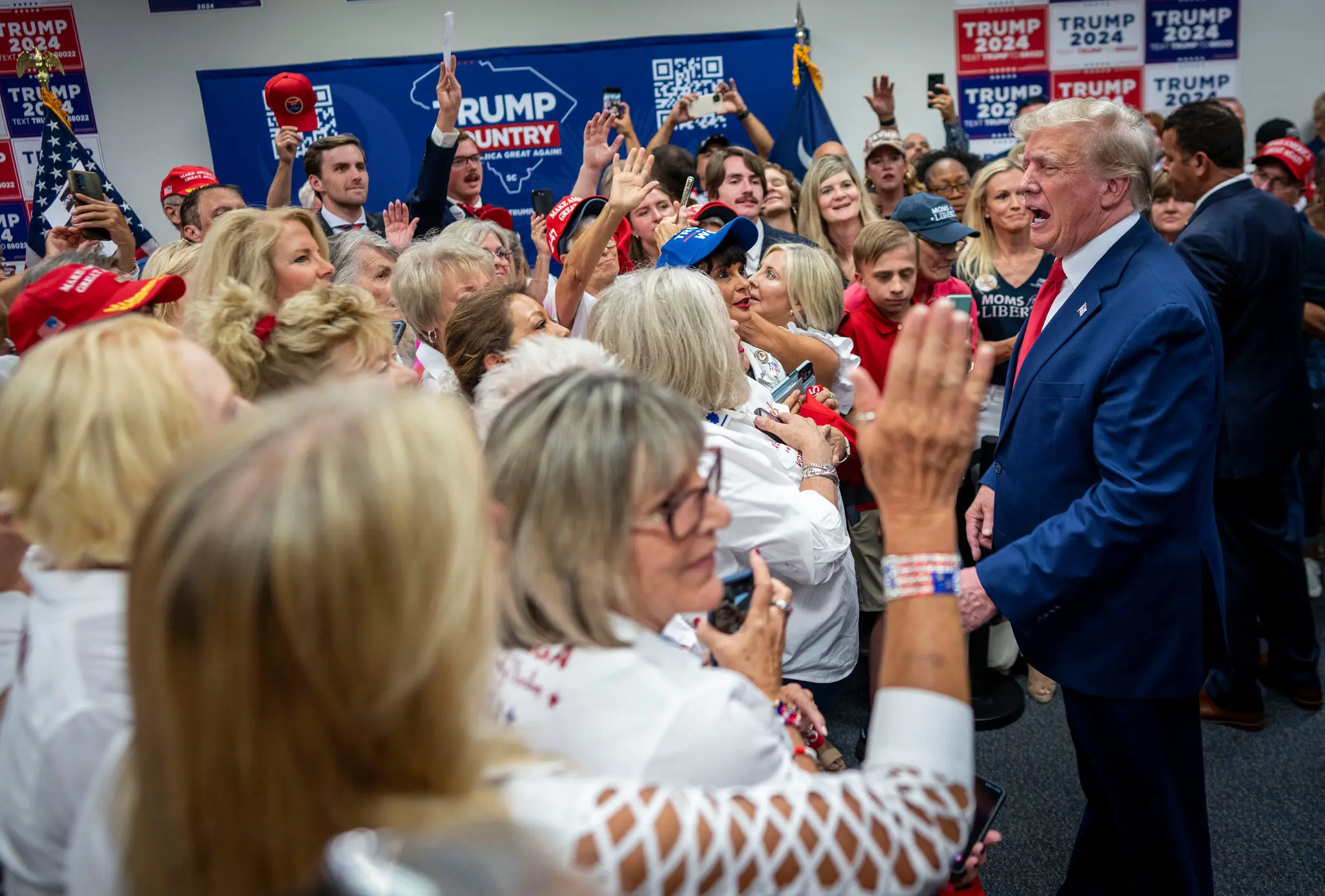
The rally took place at a sports complex in Wasilla, a deeply conservative town of about 10,000 people roughly 45 minutes from Anchorage. Republican Senator Dan Sullivan, a former state attorney general seeking a third term, faces Democrat Mary Peltola, who served as Alaska’s only member of the U.S. House from 2022 to 2025. Polling has shown the two tied or Peltola slightly ahead. A New York Times/Siena College survey released on 3 October put her up 7 points, although other polls show a much tighter contest. One Alaska pollster, Ivan Moore, told the Associated Press that support for Trump in the state has declined in step with his falling approval ratings nationally, which could leave the outcome in the hands of voters who backed Trump in 2024 and are no longer sure.
The reason for that doubt is easy to find at the gas pump. Rising diesel and gasoline prices, along with an unpopular war with Iran, have pushed Trump’s approval rating below water in many places, Alaska included. Energy shocks land harder here than almost anywhere. Residents depend on heating oil to get through long winters, and a huge share of goods has to be flown, shipped or trucked across enormous distances before it reaches a shelf. Higher fuel costs therefore show up in grocery bills, transport costs and heating budgets all at once. Peltola, whose campaign slogan is “Alaska First,” says affordability is the top issue for the state’s voters.
Voters at and around the rally described the squeeze in personal terms. Jo Bennett, a retired state worker from Anchorage in her 60s who says she has voted for both parties, told Reuters she nearly fell over at a gas station recently when filling her fuel-efficient car cost almost $50. She was among a group of women who stood on an overpass on the highway between Anchorage and Wasilla holding signs criticising the war. Lance Million, a 68-year-old retired foreman from Wasilla who arrived early to the rally, offered a different view of the same problem. He said he is disappointed that Trump has not ended the war sooner, but described himself as a staunch Republican and said he would vote for Sullivan because the only alternative is Peltola.
Suzanne Downing, a former communications director for the Alaska Republican Party, said fuel prices are weighing on every part of rural life and dragging down Republican enthusiasm. She said many Alaskan men, who tend to lean conservative, are apathetic about voting this year, and summed up their mood this way: “They like Trump, but they feel like they’ve been let down.” She added that a rally in a friendly town like Wasilla could help the president reinvigorate his base.
On stage, Trump addressed prices directly. He told the crowd the Iran war would end very soon and that prices would then come tumbling down. He also argued that he has done more for Alaska than for any other state, pointing to his administration’s efforts to draw Asian investment into an Alaskan pipeline project, pay for new power lines and expand high-speed internet access. Supporters of the pipeline, which Alaska Republicans back, say it could create jobs and strengthen the state’s energy industry. During the event Trump also pardoned two local repair shop owners who had been convicted of violating the federal Clean Air Act by removing pollution controls from diesel engines, and he urged Republicans to vote by mail, a practice he has repeatedly tried to limit and discredit.
Sullivan opened for the president by acknowledging that Alaskans face real challenges with energy costs, but he called the Middle East conflict temporary and turned the argument toward national Democrats. In his telling, the true forever war is their opposition to Alaska’s oil and gas industry and the jobs that depend on it. Sullivan has been a leading advocate for drilling, including in the Arctic National Wildlife Refuge, and has stressed Alaska’s strategic importance as the United States competes with Russia and China in the Arctic. Before the visit, he told reporters he always has close races, recalling that his 2014 contest was also tight, and said he is confident he will win.
Peltola has tried to blunt that line of attack. She made history in 2022 as the first Alaska Native and first woman elected to represent the state in the House, built a pragmatic and bipartisan image around local issues such as fisheries, and lost her 2024 reelection bid to Republican Nick Begich III. She has said she supports oil and gas development in the Arctic refuge and that she is not a typical national Democrat, a pitch aimed at independents and the Republican-leaning voters she will need.
The choice of Wasilla follows a pattern. Reuters reported that Trump has been campaigning in the conservative-leaning parts of competitive states rather than in more politically mixed areas where more persuadable votes are available. Analysts say the approach can help turn out his most loyal supporters, while keeping him away from the independents and moderates who have soured on his presidency. Whether that tradeoff pays off in a state where affordability dominates the conversation is the question Republicans are betting on.
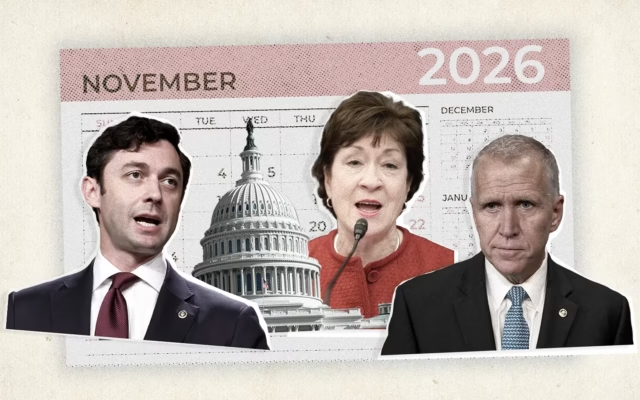
The stakes reach well beyond Alaska. All 435 House seats and 35 of the 100 Senate seats are on the ballot on 3 November, and public polling suggests Republicans could lose control of one or both chambers, which would limit Trump’s ability to advance his agenda in the final two years of his term. Republicans currently hold the Senate 53 to 47, so even a surprise loss in a state like Alaska could matter to the balance of power. Alaska’s remoteness also makes late campaign dynamics harder to read, because turnout and mail voting can swing a small electorate.
Readers following how energy costs and technology shape politics and the economy can find related coverage at Innovation Times.