Oil Prices Today: Brent Crude, Global Supply Risks and Fuel Costs
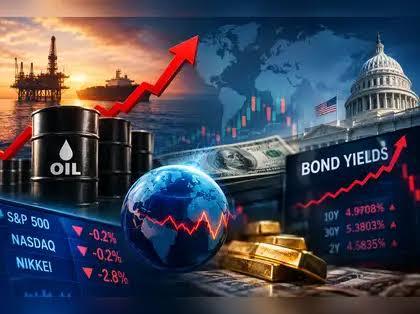
Global oil prices fell during trading on Thursday, October 15, as traders weighed the possibility of additional oil supplies against escalating security risks around the Middle East. Brent crude futures dropped to around $104.30 a barrel in one morning market snapshot, while US West Texas Intermediate crude traded near $94.03. Prices later moved lower in another reported trading snapshot, showing how quickly the market has been responding to changes in supply expectations and geopolitical developments.
The decline followed a period of renewed pressure on energy markets, with attacks on shipping near the Strait of Hormuz raising concerns about the movement of crude oil and petroleum products. The prospect of changes to US restrictions affecting certain Russian oil tankers also encouraged traders to consider whether more oil could reach international markets and whether shipping costs might ease.
The latest movement does not necessarily signal a lasting reduction in energy prices. Oil markets are balancing two competing forces: the possibility of improved supply and the risk that further conflict could interrupt production, transport or exports. As long as those uncertainties remain, prices may continue to react sharply to military developments, government decisions and new information about global inventories.
Brent crude is the main international benchmark used to price much of the world’s seaborne oil, while West Texas Intermediate is a key benchmark for US crude. Their prices influence energy contracts, refinery purchasing decisions and the cost of many petroleum-related products. However, the price of crude oil is only one part of the final price consumers pay for petrol, diesel, aviation fuel and other energy products.
Taxes, refining expenses, transport costs, distribution margins, exchange rates and government policies can all affect retail prices. Consequently, a decline in international crude prices does not guarantee that motorists will see an immediate reduction at filling stations.
The Strait of Hormuz has become one of the most closely watched locations in the current oil market. The waterway connects the Persian Gulf with the Gulf of Oman and the wider international shipping network. It is a critical route for oil exports from several major producers in the region.
When vessels face greater security risks, shipping companies may change routes, delay voyages or demand higher insurance premiums. Even when oil continues to move, these additional costs can affect the economics of transporting energy products. A prolonged disruption could also prevent some supplies from reaching customers on schedule, tightening markets and pushing prices higher.
Recent attacks on commercial vessels near the waterway have increased concerns about the safety of energy shipments. Reports on October 15 indicated that two commercial ships had sunk near key shipping lanes after separate incidents involving projectiles. The attacks came amid broader regional hostilities and warnings about further risks to maritime traffic.
For oil traders, the main question is whether the incidents will produce sustained disruptions to physical supply. A temporary security scare may cause a brief price increase that reverses when shipping resumes. A longer interruption involving ports, pipelines, production facilities or major export routes could have a more lasting effect.
This explains why prices can fall even while geopolitical tensions remain serious. Traders do not respond only to the severity of an event. They also assess whether it is likely to reduce the amount of oil reaching the market, how long any disruption might last, and whether other producers can compensate for lost supplies.
The United States is another important part of the current supply debate. Discussions about potentially easing restrictions affecting certain Russian oil tankers have raised the possibility that more vessels could be used to transport petroleum. A change in restrictions could reduce some shipping bottlenecks and help lower freight expenses, depending on the terms and scope of any measures adopted.
However, the prospect of additional shipments is not the same as a confirmed increase in immediately available oil. The volume that reaches the market will depend on the rules introduced, the vessels and cargoes affected, the willingness of shipping companies to participate and the response of buyers, insurers and other governments.
Russia remains an important participant in global energy trade, despite restrictions affecting parts of its oil industry and shipping network. Any policy change involving Russian petroleum can influence expectations about supply, but its actual market impact depends on implementation and the ability to move products safely and commercially.
Oil inventories in the United States have also drawn attention. Preliminary industry data indicated that US crude stocks fell by 11.1 million barrels in the week ending October 9. A decline of that size can support prices because it suggests that available inventories may be tightening. However, preliminary figures are not the same as the official government inventory report, and traders generally examine changes in crude stocks alongside gasoline, distillate and refinery data.
The relationship between inventories and prices is not always straightforward. Crude stocks can fall because refineries are processing more oil, imports have declined or exports have increased. Rising refinery activity may reflect stronger demand for fuel, but it can also occur ahead of seasonal changes in consumption. Market participants therefore consider several indicators before deciding whether an inventory movement signals a broader shift in supply and demand.
OPEC+ production decisions provide another important influence. The group includes members of the Organization of the Petroleum Exporting Countries and other oil-producing countries, including Russia. Its decisions affect planned output levels, although actual production can differ from agreed targets because of operational constraints, infrastructure damage, sanctions and other disruptions.
On October 4, seven OPEC+ countries agreed to maintain their September production requirements for November. The decision reflected the group’s continued assessment of global market conditions and its stated commitment to market stability. It also meant that the participating countries did not announce an additional production increase under that arrangement.
For traders, the decision must be considered alongside the actual amount of oil reaching refineries and export terminals. Higher production targets do not automatically translate into more supply if producers cannot deliver the required volumes. Likewise, maintaining existing requirements does not necessarily mean that global supply will remain unchanged, because production can shift in countries outside the arrangement.
The wider outlook is complicated by conflicting signals about demand. High energy prices can encourage households and businesses to reduce consumption, delay purchases or improve efficiency. Airlines, transport operators, manufacturers and shipping companies may face higher expenses and respond by changing schedules, routes or operating plans.
If oil prices remain elevated for a prolonged period, the additional costs can affect economic growth. Companies may have less money available for hiring and investment, while households may reduce spending on other goods and services to cover fuel and transport expenses. Governments can also face pressure to provide relief where energy costs rise sharply.
At the same time, lower prices can provide some relief to consumers and businesses, but they may weaken revenue for oil-exporting economies. The effects depend on how far prices fall, how long the change lasts and the extent to which production volumes respond.
Nigeria has a particular interest in these developments because crude oil remains an important source of export earnings and government revenue. International oil prices influence the potential value of the country’s crude exports, although the amount Nigeria actually earns also depends on production levels, export volumes, operating costs and the terms under which its oil is sold.
Higher crude prices can improve potential export receipts, providing support for foreign-exchange supply and public finances when production and collections remain strong. However, Nigeria does not automatically receive a windfall every time international prices rise. Disruptions to production, operational costs, security challenges and domestic fiscal arrangements can affect how much benefit reaches the economy.
Lower oil prices can create the opposite pressure. If export earnings decline, government revenue and foreign-currency inflows may come under strain. This can complicate budget planning and exchange-rate management, particularly when the country needs dollars to pay for imported goods, machinery, services and external obligations.
There is also a domestic fuel-price question. The relationship between crude prices and the amount motorists pay for petrol or diesel depends on local supply arrangements, refining costs, distribution expenses, taxes, currency movements and applicable pricing policies. Imported petroleum products may become more expensive in naira if the dollar strengthens against the local currency, even when international crude prices are falling.
This means that Nigerian consumers should not assume that a daily drop in Brent crude will immediately produce cheaper petrol. Refinery purchase prices and product markets may move differently from crude benchmarks, while exchange-rate changes and logistics expenses can offset some of the benefit.
Diesel prices deserve particular attention because the fuel is widely used in commercial transport, industrial operations and backup power generation. When diesel becomes more expensive, businesses may face higher costs for moving goods, operating equipment and maintaining services. Some of these expenses can eventually be passed on to customers through higher prices.
A sustained decline in energy costs could help reduce those pressures, but the size of the benefit will vary across industries. Businesses with large fuel bills may gain more than companies whose main expenses are wages, rent or imported materials. Consumers may also see different effects depending on transport needs, electricity arrangements and the goods they purchase.
For central banks, oil prices are an important inflation indicator. A sharp increase can push up headline inflation through fuel and transport costs. It can also raise production expenses for businesses that use energy-intensive processes. If those increases spread into wages and the prices of other goods and services, inflation may become more persistent.
Central banks cannot directly control international crude prices through interest-rate decisions. They can, however, influence domestic demand and inflation expectations. When energy costs rise, policymakers must judge whether the shock is likely to fade or become part of a wider increase in prices. Tightening monetary policy may help limit broader inflation, but it can also weaken spending and investment.
The latest oil movement therefore matters beyond energy trading desks. It can influence expectations for inflation, interest rates, currency markets, company earnings and government budgets. Oil-importing countries may welcome lower prices because they can reduce import bills, while exporters may be concerned about weaker revenue.
Investors will continue watching shipping conditions around the Strait of Hormuz, any formal changes to restrictions affecting Russian oil transport, official US inventory figures and future OPEC+ decisions. They will also monitor evidence of whether higher energy costs are weakening demand in major economies.
The central question is whether the recent price decline reflects a lasting improvement in supply or a temporary pause in a volatile market. More oil reaching buyers and lower shipping costs could help prices ease further. Renewed attacks on vessels, damage to energy infrastructure or disruptions to major export routes could quickly reverse that movement.
For consumers, businesses and oil-producing governments, the direction of crude prices will remain important, but no single daily quotation can determine the full economic impact. The most reliable outlook will come from following actual supply, demand, transport conditions and policy decisions together.