Ukrainian President Volodymyr Zelenskyy is seeking to strengthen his country’s diplomatic and security ties with Western allies as he prepares for talks with US special envoy Steve Witkoff in Oslo, Norway, amid growing uncertainty over Washington’s approach to the war with Russia.
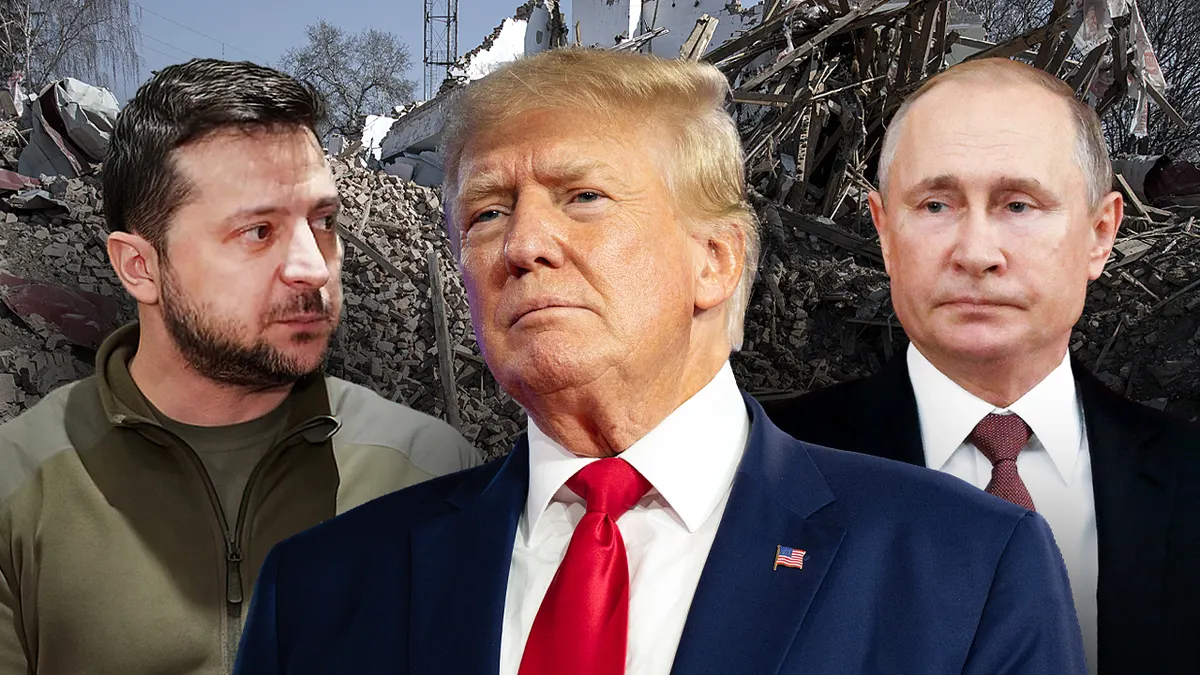
The planned meeting comes at a sensitive moment for Kyiv, following renewed public disagreements between Zelenskyy and US President Donald Trump over the direction of peace negotiations, military assistance and the conditions required to end Russia’s invasion of Ukraine.
Norwegian officials have arranged discussions involving Zelenskyy, Norwegian Prime Minister Jonas Gahr Støre and Finnish President Alexander Stubb. Witkoff is also expected to participate, while Jared Kushner, Trump’s son-in-law and a participant in US diplomatic efforts, is expected to join remotely.
The talks are intended to help restore a more constructive diplomatic process at a time when European governments remain concerned about Ukraine’s security and the future of transatlantic cooperation.
The developments were reported by Reuters and The Associated Press on October 20, 2026.
Reuters
+1
For Ukraine, the diplomatic challenge extends beyond securing additional military equipment. Kyiv also wants to ensure that any negotiations with Moscow protect its sovereignty, preserve its ability to defend its territory and prevent a future Russian offensive.
The discussions in Norway therefore carry significance for the wider European security environment, particularly as governments assess how the United States will approach the conflict in the coming months.
Zelenskyy’s visit follows a fresh deterioration in his relationship with Trump. The US president has criticised the Ukrainian leader’s negotiating position and recently suggested that Kyiv should consider finding another negotiator.
Trump has also spoken more favourably about Moscow’s conduct in the diplomatic process, prompting concern among Ukraine’s supporters that Washington could place greater pressure on Kyiv to accept terms it considers unfavourable.
The disagreement has created uncertainty over the extent to which the United States will continue providing direct military assistance and intelligence support to Ukraine.
Although European countries have continued supporting Kyiv, the scale of American military capabilities, intelligence resources and technological infrastructure makes Washington an important partner in Ukraine’s defence.
Ukraine has particularly emphasised the importance of air defence systems, early-warning information and satellite communications that help its forces respond to Russian attacks.
Zelenskyy said he had discussed these concerns with US Secretary of State Marco Rubio, including the availability of ballistic missile interceptors and the status of satellite services used by Ukrainian forces.
The Ukrainian president has also raised concerns about delays in receiving warnings about Russian missile launches. Such information can be critical to civilian protection and military planning, particularly when attacks threaten major cities and infrastructure.
The diplomatic engagement in Oslo offers an opportunity to discuss these issues directly with American representatives while maintaining coordination with European leaders.
However, there is no guarantee that the meeting will produce an immediate agreement on military assistance or a breakthrough in peace negotiations.
The positions of Washington, Kyiv and Moscow remain substantially different, particularly on territorial questions, security guarantees and the conditions under which hostilities could end.
Russia’s invasion has caused extensive damage across Ukraine and created a prolonged security crisis for neighbouring European countries. The conflict has also affected energy markets, government spending and international relations.
For European leaders, the war raises questions about the continent’s long-term defence capabilities and its dependence on American military support.
Norway’s involvement reflects the country’s broader interest in European security and diplomatic stability. As a NATO member with a strategic position in northern Europe, Norway has a direct interest in the outcome of the conflict and the security of the wider region.
Finland’s participation is also significant. The country shares a long border with Russia and has strengthened its defence cooperation with Western partners since joining NATO in 2023.
The presence of Norwegian and Finnish leaders alongside Zelenskyy illustrates the importance Kyiv places on maintaining strong relationships with European governments even as it seeks to repair tensions with Washington.
For Ukraine, a coordinated Western position could improve its negotiating leverage and reduce uncertainty about future assistance. For the United States, the discussions offer an opportunity to clarify its objectives and assess whether a renewed diplomatic approach can move the conflict towards a settlement.
The wider question is whether the parties can agree on a process that addresses the security concerns of Ukraine and its allies while creating conditions for a sustainable end to the fighting.
Russia has continued to demand concessions in negotiations, while Ukraine has repeatedly argued that a settlement must not reward territorial aggression or leave the country vulnerable to another invasion.
These competing positions have complicated diplomatic efforts since the beginning of the war.
Any proposed settlement would also need to address monitoring arrangements, security guarantees and the practical challenges of maintaining a ceasefire. Without credible mechanisms to discourage renewed attacks, even an initial agreement could prove difficult to sustain.
The latest diplomatic developments are taking place alongside continuing military activity. The Associated Press reported on October 20 that Russian missile and drone attacks had killed at least seven people in Ukraine, with damage and power disruptions reported across multiple regions.
AP News
The attacks underline the difficulty of conducting negotiations while military operations continue and civilians remain exposed to danger.
Ukraine’s government has repeatedly called for stronger air defences and continued assistance from its partners. It argues that maintaining defensive capabilities is necessary both to protect the population and to prevent Moscow from gaining additional leverage through military pressure.
The United States and European governments face their own policy considerations. They must weigh the costs of continued assistance against the strategic consequences of a settlement that could leave Ukraine insecure or deepen divisions among Western allies.
For Washington, the challenge includes managing relations with European partners while pursuing the Trump administration’s stated interest in ending the conflict.
For European capitals, the concern is that a major reduction in American support could leave them responsible for a larger share of Ukraine’s military and financial requirements.
European governments have increased their involvement in supporting Kyiv, including through military procurement arrangements and financial assistance. Nevertheless, the extent to which they can replace particular American capabilities remains an important consideration.
The dispute over support for Ukraine has also become part of a wider debate about the future of NATO, burden-sharing and the balance of power in Europe.
Any lasting settlement will require more than an agreement to suspend fighting. It will also need a workable approach to territorial disputes, security arrangements and the relationship between Ukraine and Russia after the war.
Ukraine is unlikely to regard a diplomatic agreement as successful if it leaves the country unable to defend itself. European governments are similarly concerned that a weak settlement could encourage further aggression.
Moscow, meanwhile, continues to pursue its own military and political objectives, making the prospects for compromise difficult to assess.
The planned Oslo discussions may not resolve these fundamental disagreements, but they provide an opportunity to keep diplomatic channels open and clarify the positions of the parties involved.
The outcome will be closely watched by European governments, defence officials and international organisations concerned about the conflict’s wider consequences.
For Zelenskyy, the immediate priority is to secure continued cooperation with the United States while ensuring that Ukraine’s concerns remain central to any negotiations.
For Trump’s administration, the meeting presents an opportunity to determine whether renewed engagement with Kyiv can reduce tensions and create a clearer path towards negotiations with Moscow.
The discussions also carry implications for the future of European security cooperation. If the United States and Ukraine can rebuild trust, it may become easier to coordinate military assistance and diplomatic strategy. If the disagreement deepens, European governments could face greater pressure to expand their own commitments.
As the talks approach, no final agreement on the war’s future has been announced. The central issues remain unresolved, and the next steps will depend on the positions taken by the governments involved.
What happens in Oslo could help shape the next phase of diplomacy, but the prospect of a durable peace will depend on whether the parties can move beyond public disagreements and establish a credible negotiating process.
For now, Ukraine is continuing its efforts to preserve Western support while pursuing a settlement that protects its security and independence. The coming discussions will test whether Washington, Kyiv and European partners can find sufficient common ground to advance that objective.