
By Innovation Times International Desk | May 7, 2026 | Energy, Global Economy, Geopolitics
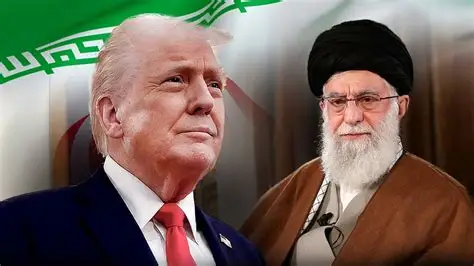
The world held its breath on Wednesday as diplomatic officials in Washington and Tehran edged toward a historic ceasefire framework, sending global oil markets into one of the most volatile trading sessions in recent memory. Crude oil prices plunged by as much as 15 percent to $88 per barrel for U.S. crude, while international Brent crude dropped 11 percent to $96 per barrel, as markets reacted to reports that the two nations were approaching a one-page memorandum of understanding to end their ongoing conflict.
The dramatic price swing came just days after American gas prices surged to a national average of $4.45 per gallon, a four-year high driven by Iran’s effective closure of the Strait of Hormuz since late February 2026. In cities like Los Angeles, California, drivers stared in disbelief at pump prices exceeding $6 per gallon. The broader economic damage has reverberated from Gulf shipping lanes to supermarket shelves across three continents.
President Donald Trump, speaking on Truth Social, stated the war could end if Iran agrees to terms. ‘Assuming Iran agrees to give what has been agreed to, which is perhaps a big assumption, the already legendary Epic Fury will be at an end, and the highly effective Blockade will allow the Hormuz Strait to be OPEN TO ALL,’ Trump wrote. He then issued a sharp warning: ‘If they don’t agree, the bombing starts, and it will be, sadly, at a much higher level and intensity than it was before.’
The crisis began on February 28, 2026, when the United States and Israel launched coordinated strikes on Iran under Operation Epic Fury, targeting military facilities, nuclear sites, and key leadership. Iran responded with missile barrages on Israeli cities and U.S. military bases across the Gulf region. By March 4, Tehran declared the Strait of Hormuz effectively closed, threatening to attack any vessel it deemed unfriendly. The closure immediately choked off approximately 25 percent of the world’s seaborne oil trade and 20 percent of global liquefied natural gas supply.
On Tuesday, Trump temporarily halted ‘Project Freedom,’ a military escort initiative launched just 24 hours earlier to guide commercial vessels through the strait. White House spokeswoman Taylor Rodgers told reporters that gas prices would ‘plummet’ once the conflict ends. Approximately 23,000 seafarers across vessels from 87 countries remain stranded in the Persian Gulf as negotiations continue.
Iran’s Foreign Ministry spokesman said Tehran’s negotiators were reviewing Washington’s latest proposal and would relay a response through Pakistan, the designated mediating country. Iran’s Foreign Minister Abbas Araghchi, speaking during a visit to China, said Tehran pursued a ‘fair and comprehensive agreement.’ Iranian state media interpreted Trump’s Project Freedom pause as a diplomatic win.
France added fresh urgency to proceedings on Wednesday by announcing that its aircraft carrier Charles de Gaulle was heading toward the southern Red Sea, ahead of a potential multinational mission to reopen the strait. President Emmanuel Macron’s office framed the deployment as a signal of readiness, noting that 40 nations had participated in planning the initiative.
Read More: Africa’s AI Revolution Could Add $1 Trillion to GDP by 2035, African Development Bank Report Warns That Action Must Start Now
Market analysts at Dutch bank ING warned that the longer the strait remains closed, the more vulnerable the global energy market becomes. ‘Roughly 13 million barrels per day of disrupted supply is being largely offset by inventory, which is declining rapidly,’ said Warren Patterson, the bank’s head of commodities strategy. ‘Tighter stocks will only leave the oil market trading in an ever more volatile manner.’
The outcome of talks over the next 48 hours will define whether the world enters a new energy stabilization phase or faces an escalation that analysts warn could push crude oil prices well above $130 per barrel. Industries from aviation to agriculture, which depend heavily on fuel-cost stability, are watching closely as diplomats race against economic gravity.