
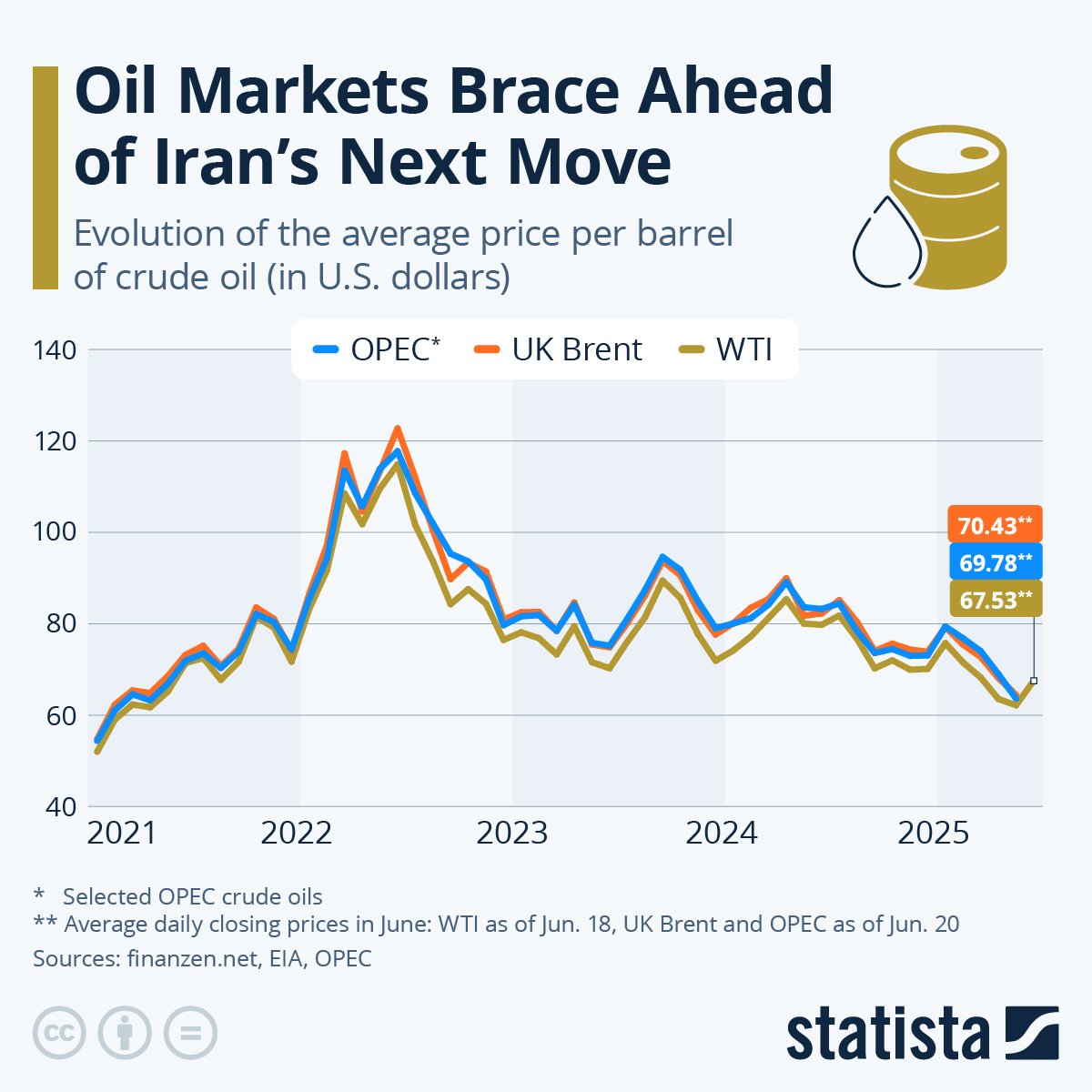
The global energy market is in freefall. Oil prices remain volatile and dangerously elevated as the United States and Iran continue exchanging fire in the Strait of Hormuz, the world’s most critical energy corridor, in a conflict that has sent shockwaves through every oil-dependent economy from Lagos to London and from Tokyo to Toronto. As of Friday, May 9, 2026, Brent crude trades above $101 per barrel after a week of wild swings, and analysts warn the worst may still be ahead.
The current crisis began when the United States and Israel launched coordinated airstrikes on Iran on February 28, 2026, under Operation Epic Fury, targeting military infrastructure and nuclear facilities. Iran retaliated by closing the Strait of Hormuz, the narrow waterway through which approximately 27 percent of the world’s seaborne crude oil and 20 percent of its liquefied natural gas passes daily. Since that closure, global energy markets have operated in a state of managed panic.
This past week brought the situation to a fresh boiling point. Three US destroyers came under attack by Iranian missiles, drones, and small boats as they transited the Strait into the Gulf of Oman. US Central Command confirmed its forces eliminated the threats without damage to the warships. On Friday, US forces then fired on two Iranian oil tankers attempting to evade the American naval blockade of Iranian ports, a blockade that has been in effect since April 13. Iran responded by launching fresh missile and drone strikes on the United Arab Emirates, with the UAE Defense Ministry confirming its air defenses engaged two ballistic missiles and three drones.
Despite the fierce exchanges, President Donald Trump insisted the ceasefire framework with Iran remains technically in effect, describing the Thursday naval skirmish as “just a love tap.” Secretary of State Marco Rubio, currently in Rome for meetings with Italian Prime Minister Giorgia Meloni, said Washington expects an Iranian response to a US peace proposal by Friday. The diplomatic track and the military track are running simultaneously, and markets are pricing in the considerable probability that one of them collapses.
The human cost of the blockade extends far beyond the battlefield. According to the International Maritime Organization, up to 20,000 seafarers remain stranded on approximately 2,000 vessels in and around the Strait of Hormuz. Shipping companies refuse to transit the waterway, citing persistent safety concerns despite Trump’s announcement of “Project Freedom,” a US military escort program for commercial vessels. International Transport Workers’ Federation General Secretary Stephen Cotton has called on shipowners not to treat the escort announcement as a green light, warning that adequate safety guarantees from Iran do not yet exist.
The commodity impact of this crisis reaches beyond oil. Fertilizer prices could average 15 to 20 percent higher during the first half of 2026 if the blockade continues, since much of the world’s fertilizer supply chain passes through the Strait. That price shock threatens to ripple through global food systems into 2027, potentially raising the cost of corn, wheat, and livestock products across multiple continents. Unlike oil, the global fertilizer sector has no coordinated strategic reserves, making disruptions far harder to manage.
Read More: Open AI Launches GPT-5.5 Instant as AI Industry Crosses $25 Billion Revenue Mark, Reshaping Global Tech Economy
African nations sit in a particularly exposed position. Countries including Nigeria, Ghana, Kenya, and South Africa import substantial volumes of refined petroleum products and fertilizer through supply chains that depend on Hormuz traffic. Nigerian airline Rano Air already announced suspension of select flight routes citing a 300 percent increase in operational fuel costs. More disruptions in aviation, transport, and agriculture are likely if the crisis extends through the coming months.
Iran is reviewing the latest US peace proposal. The market hopes for a deal. But as one Singapore-based oil analyst put it bluntly this week: “The risk of a proposed US peace deal breaking down will likely keep oil markets volatile.” Every military exchange in the Gulf is a reminder that hope and reality in this crisis are separated by missile range.