
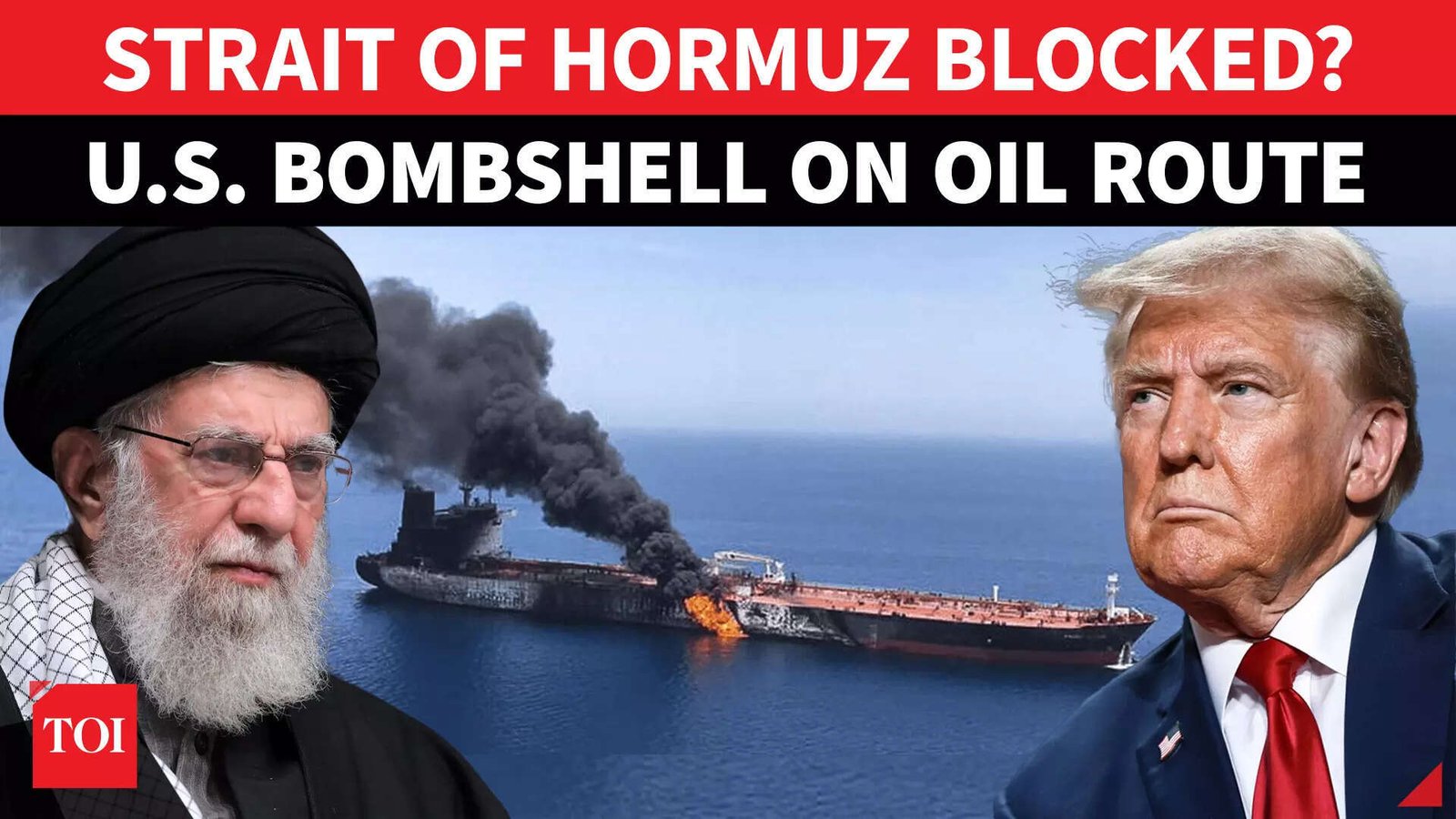
Tensions in the Persian Gulf rose quickly today after a serious incident involving Iran military forces and international shipping. Iran’s elite military branch, the Islamic Revolutionary Guard Corps, announced that it had seized two large container ships traveling through the Strait of Hormuz. This narrow stretch of water is one of the most important shipping routes in the world, especially for oil, so any disruption there immediately attracts global attention.
What makes this situation even more complicated is the timing. Just hours before the ships were taken, the United States had confirmed that it reached an extended ceasefire agreement with Iran. This agreement was supposed to reduce tensions and create a calmer environment for negotiations between the two countries, which have had a long history of conflict. Because of that, many observers were surprised and concerned to see such a bold move happen so soon afterward.
Iranian state media reported that the ships were stopped because they had committed what they described as “maritime violations.” However, officials in Western countries strongly disagree with that explanation. They believe the seizure is actually a response to actions taken earlier in the week by the United States Navy, which reportedly intercepted Iranian cargo vessels. From this perspective, Iran’s move is seen as retaliation rather than enforcement of maritime law.
The immediate reaction from global markets shows just how sensitive the situation is. Oil prices jumped sharply within hours of the news. Brent crude, one of the main international oil benchmarks, rose to $101.27 per barrel. This increase reflects fears that oil supplies could be disrupted if the situation worsens. The Strait of Hormuz is especially critical because about one-fifth of the world’s oil passes through it every day. If ships cannot safely travel through this route, it can quickly affect energy supplies across the globe.
Authorities in the United Kingdom also reported problems in the area. Their maritime security agencies confirmed that there had been several “hostile encounters” involving ships in the region. These encounters suggest that the risk to commercial vessels is growing. As a result, military activity in the area has increased. Warships and patrol vessels from different countries have been deployed to monitor the situation and protect shipping lanes. Since early Thursday morning, the region has seen a noticeable rise in surveillance and defense operations.
Experts who study international relations and energy markets are warning that this incident could have wider consequences. The ceasefire agreement between the United States and Iran was already considered fragile, meaning it could easily fall apart under pressure. Events like this make it harder for both sides to maintain trust and continue peaceful discussions. If tensions keep rising, there is a real risk that the situation could escalate into a larger conflict.
The response from political leaders has been strong. Donald Trump, the President of the United States, criticized Iran’s actions, describing them as “a reckless threat to international commerce.” His statement reflects concern not just for security, but also for the global economy, which depends heavily on stable shipping routes. He also warned that the United States may take “strong measures” if the ships are not released soon. While he did not give specific details, such language often suggests the possibility of military or economic responses.
Beyond politics and security, there are practical concerns about how this situation could affect everyday life in different parts of the world. Energy markets are already preparing for possible disruptions. Countries in Europe and Asia, which rely heavily on imported energy, could face shortages if shipments are delayed or blocked. This could impact supplies of jet fuel, which airlines depend on, as well as natural gas used for heating and electricity. Even small disruptions can lead to higher prices for consumers and businesses.
Diplomatic efforts are now becoming more urgent. Sources close to the negotiations say that emergency talks may take place in Geneva over the weekend. These talks would aim to prevent the situation from getting worse and to keep the ceasefire agreement alive. Diplomats will likely focus on finding a way to de-escalate tensions, ensure the safe release of the seized ships, and restore confidence between the parties involved.
In simple terms, this situation shows how quickly things can change in a sensitive region like the Persian Gulf. A single incident can affect global trade, energy prices, and international relations all at once. While the ceasefire offered hope for stability, the latest developments highlight how fragile that stability is. The coming days will be critical in determining whether leaders can manage the crisis peacefully or whether tensions will continue to rise.