
Innovationtimes.org | Breaking News | May 30, 2026 | Iran War | Ceasefire | Human Rights | Energy
Iran reconnected to the world’s internet on Wednesday after 88 consecutive days of near-total digital blackout, ending what the internet monitoring organization NetBlocks described as the longest nationwide internet shutdown in modern history. The partial restoration, which began on May 26 after Iranian President Masoud Pezeshkian ordered authorities to lift restrictions, brought internet traffic back to approximately 86 percent of pre-shutdown capacity according to Cloudflare Radar data, though users reported slow connections and heavy restrictions on platforms including YouTube and Instagram.
The government imposed the initial blackout on January 8, 2026, the twelfth day of mass nationwide protests against surging inflation, currency collapse, and economic desperation that had pushed millions of Iranians into the streets. After the United States and Israel launched Operation Epic Fury on February 28, striking Iran’s nuclear facilities, military infrastructure, and killing Supreme Leader Ayatollah Khamenei, Iranian authorities imposed a near-total second shutdown, with NetBlocks recording connectivity dropping to just 4 percent of ordinary levels. As recently as early March, internet traffic measured at approximately 1 percent of normal.
For ordinary Iranians, the blackout was not merely an inconvenience. It severed families from one another for months. Iranians abroad could not reach relatives inside the country to learn whether they were alive during a period of missile strikes, retaliatory attacks, and civil violence. Journalists could not report. Civil society could not organize. Activists could not communicate their fate to the outside world. The Iranian human rights lawyer Nasrin Sotoudeh announced her arrest via whatever channel remained available to her, a signal of the silence that the blackout imposed on the people the regime feared most.
Intelligence analysts and opposition sources told NewsNation that the number of deaths during January protests alone may have reached as many as 30,000, though verifying that figure from outside Iran during a near-total communications blackout was impossible. What is documented is that the regime used the communications silence as cover for mass arrests, torture, and executions. Retired Lieutenant Colonel Mike Nelson, who has extensive experience with U.S. Central Command, told journalists that executions of Iranians are not only expected to continue after any deal is reached but likely to worsen, as the regime consolidates control under a new leadership structure.
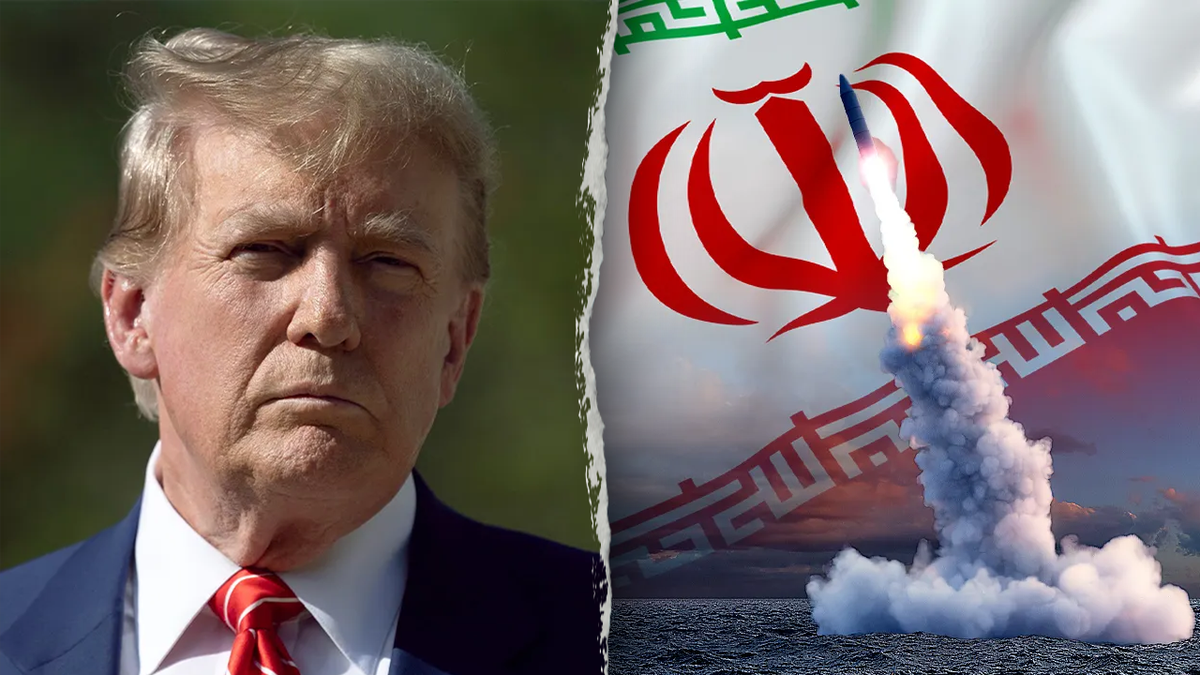
The lifting of the blackout is directly linked to the ceasefire negotiations. U.S. and Iranian negotiators reached a tentative deal on May 28, according to four sources cited by Reuters, that would extend the existing ceasefire for 60 days and allow free passage of commercial shipping through the Strait of Hormuz while negotiations address harder issues including Tehran’s nuclear program. Iran’s decision to restore internet access appears calibrated to signal good faith and demonstrate movement toward normalized conditions without formally conceding on the core terms the United States demands.
Those demands were stated clearly by Treasury Secretary Scott Bessent on May 28. Speaking to reporters at the White House, Bessent said that sanctions relief for Iran will not be on the table unless Tehran reopens the Strait of Hormuz, turns over highly enriched uranium, and agrees it cannot have a nuclear program. Nothing is going to be on the table until we see the Strait of Hormuz open, he stated, making the sequencing explicit: Iran opens the strait first, and sanctions relief may follow. Iran has continued to insist that any arrangement concerning the strait belongs to Iran and the countries bordering the waterway, not Washington.
As of May 28, the IRGC Navy reported that Iranian forces had launched missile strikes near ships in the Strait of Hormuz, initially described as warning shots, adding further tension to a negotiating environment already fragile with conflicting signals. The U.S. military responded with what Central Command described as self-defense strikes targeting Iranian missile launch sites and boats around the strait. Iran’s foreign ministry accused Washington of committing maritime robberies against Iranian commercial ships and flagrantly violating the ceasefire.
The pattern that has defined this entire conflict continues. Each side accuses the other of violating agreements that neither has formally signed. Each side signals willingness to negotiate while simultaneously conducting military operations that complicate the negotiating environment. The 240 ships waiting for permission to transit the Strait of Hormuz represent more than $20 billion in stranded cargo and the daily accumulation of economic damage that is pushing global inflation higher and threatening to tip major economies into recession.
Read More: China Launches Shenzhou 23 Spacecraft with Astronaut Set for Historic Year in Space as Beijing Targets 2030 Moon Landing
For the 90 million Iranians emerging from digital isolation this week, the restoration of internet access is a profound moment. They are reconnecting not just to information but to the world’s knowledge of what happened to their country and their people during the blackout. What they will find as they begin searching, connecting, and reading will shape their understanding of the war, the protests, the killings, and the future their government is negotiating on their behalf. That reckoning has barely begun.
The next 60 days, if the ceasefire extension holds, will determine whether the deeper negotiations on Iran’s nuclear program can produce an agreement that meets the red lines of both sides. The United States demands the elimination of Iran’s nuclear weapons capability. Iran’s new leadership is navigating between the nationalistic commitment to sovereign nuclear rights and the devastating economic reality that sanctions and war have imposed on a country that entered 2026 already in economic freefall. Whether a deal is possible at all depends on whether those positions can be bridged. The internet being back on in Tehran does not guarantee peace. But it confirms that something is shifting.